Kathmandu: Landlessness, poverty, unemployment and persistent caste-based discrimination continue to expose Nepal’s Badi and Haliya communities to human trafficking, bonded labour and other forms of exploitation, human rights advocates have warned.
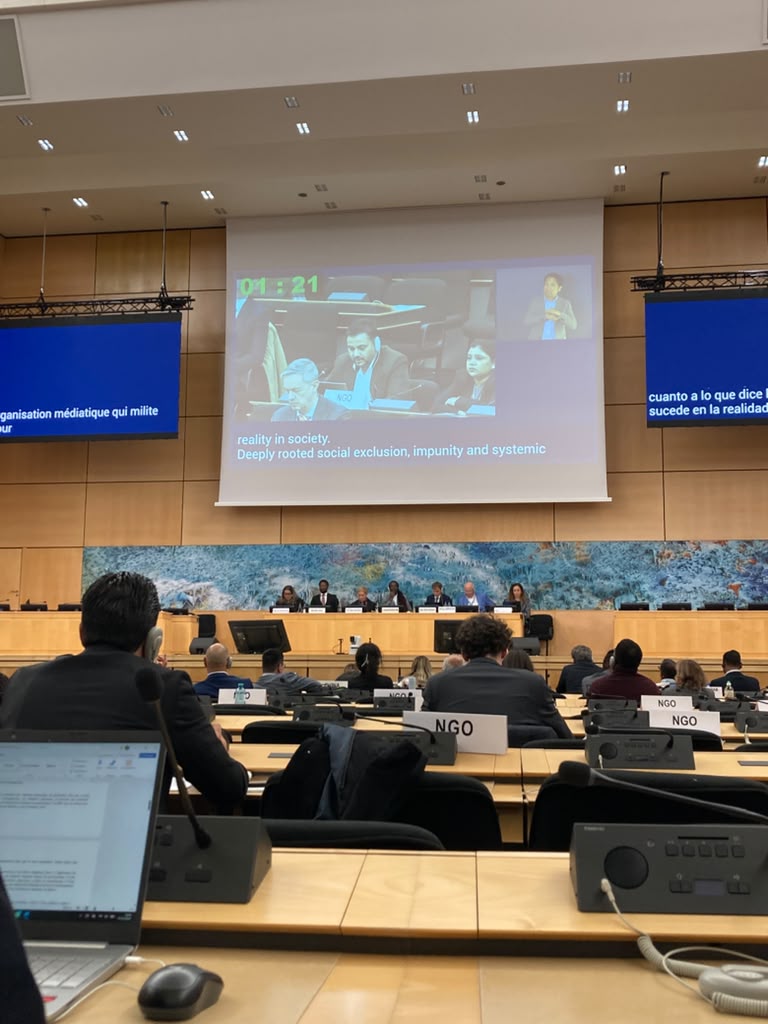
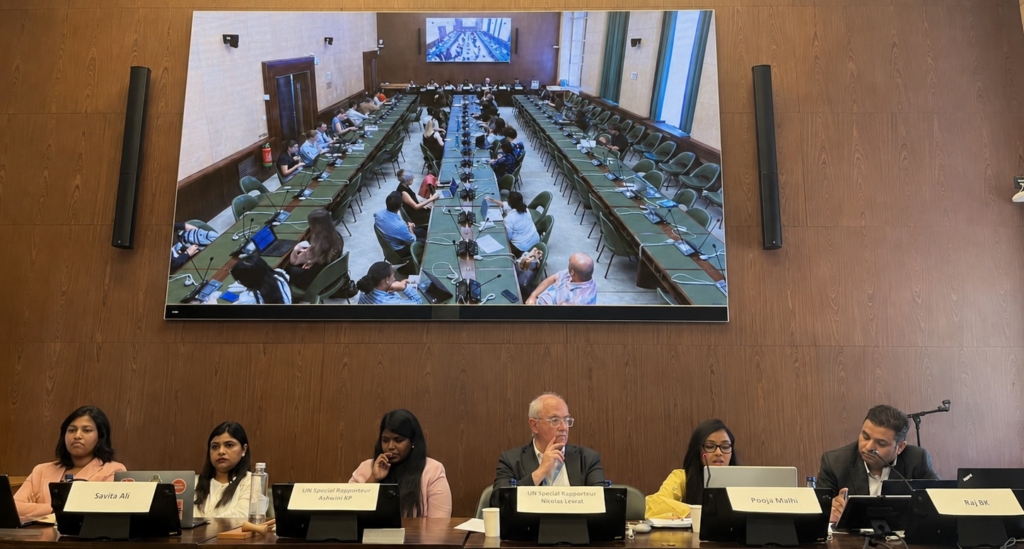
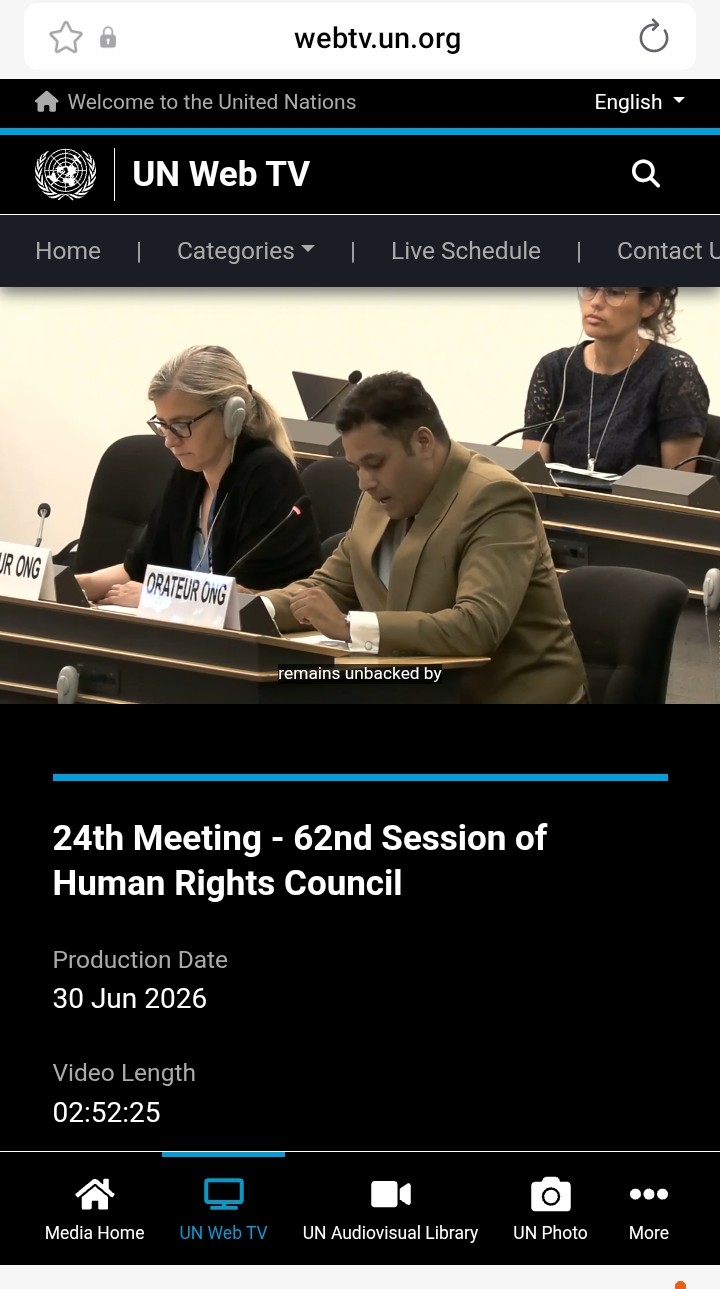
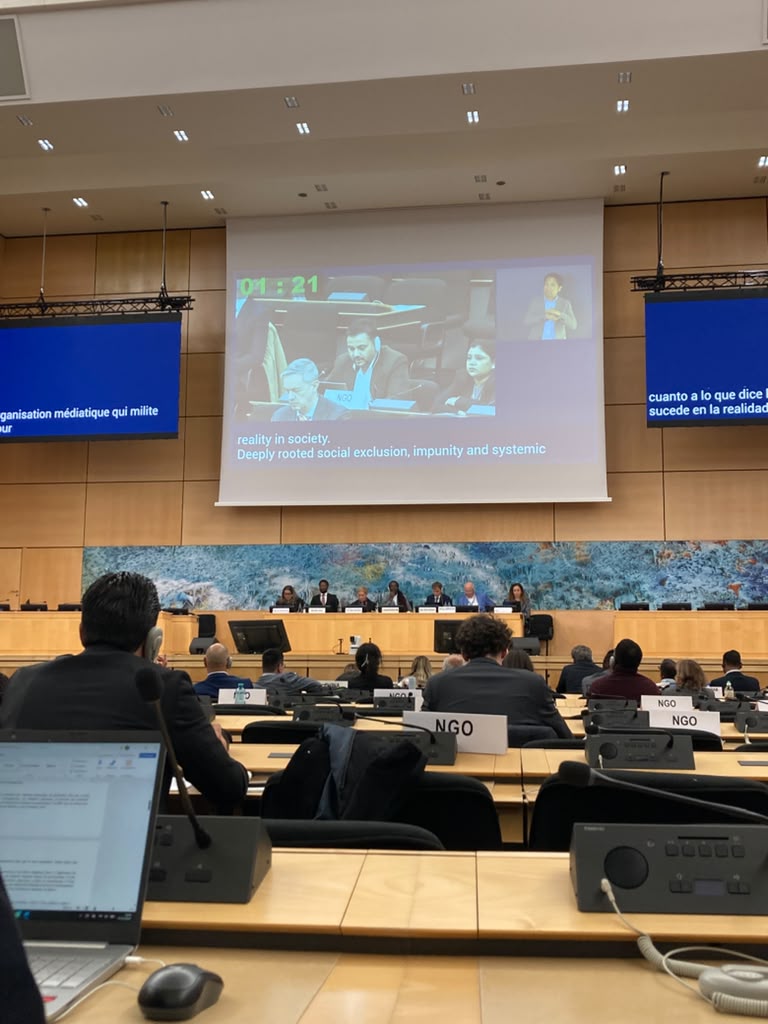
Speaking at the 19th Session of the United Nations Forum on Minority Issues on November 27, Raj Kumar B K, Executive Director of Jagaran Media Center (JMC), highlighted the links between human trafficking from Nepal to India and the longstanding socio-economic exclusion of the Badi and Haliya communities.
B K presented a joint statement on behalf of JMC and the International Dalit Solidarity Network (IDSN) during Panel 3, which focused on enforcing minority rights regionally through monitoring, litigation and other accountability mechanisms.
Article 29 of Nepal’s Constitution prohibits exploitation, including human trafficking, slavery and forced labour. However, B K said that conflict, natural disasters, poverty, unemployment and unsafe migration have made efforts to combat human trafficking increasingly complex.
According to B K, women, children, Dalits, Indigenous Peoples and other marginalized communities remain particularly vulnerable to trafficking and exploitation. Women and girls are trafficked to India and other destinations for forced labour, sexual exploitation and financial gain.
Citing the 2026 report of the National Human Rights Commission (NHRC), B K stated that Indigenous Peoples account for 39 percent and Dalits for 21 percent of the average number of trafficking survivors over the reported three-year period. He said the figures underscore the disproportionate vulnerability of marginalized communities.
Highlighting the historical exploitation of the Badi and Haliya communities, B K said both groups have faced longstanding caste-based discrimination and socio-economic exclusion, particularly in western Nepal.
Members of the Badi community have historically experienced sexual exploitation and social exclusion, while the Haliya community has endured bonded agricultural labour under exploitative landlord systems. Although the government formally abolished the Haliya system and cancelled debts owed by Haliyas to landowners, gaps in implementation continue to undermine rehabilitation and livelihood opportunities.
Many Haliya families remain landless and homeless, with limited access to housing and livelihood support, B K said.
He identified weak monitoring of cross-border migration through Nepal’s open border, inadequate rehabilitation and social reintegration services for trafficking survivors, landlessness and a lack of alternative livelihood opportunities as key factors contributing to continued vulnerability.
B K also warned that poverty and social exclusion increase the risks of school dropout, child labour and early marriage, potentially passing vulnerability from one generation to the next.
Calling for stronger government action, B K emphasized the need for effective implementation of anti-trafficking laws and policies at all three levels of government.
He urged federal, provincial and local governments to strengthen law enforcement and prosecution in line with the National Policy Against Human Trafficking 2082 and the Human Trafficking and Transportation (Control) Act, 2064.
He also called on the government to ensure access to land, financial assistance and comprehensive livelihood support for Badi and Haliya families so they can live with dignity and economic security.
B K stressed that combating human trafficking requires more than legal provisions. He said the underlying causes of exploitation—including poverty, landlessness, unemployment, caste-based discrimination and social exclusion—must also be addressed.